What is Knee Arthroscopy?
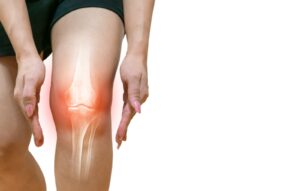
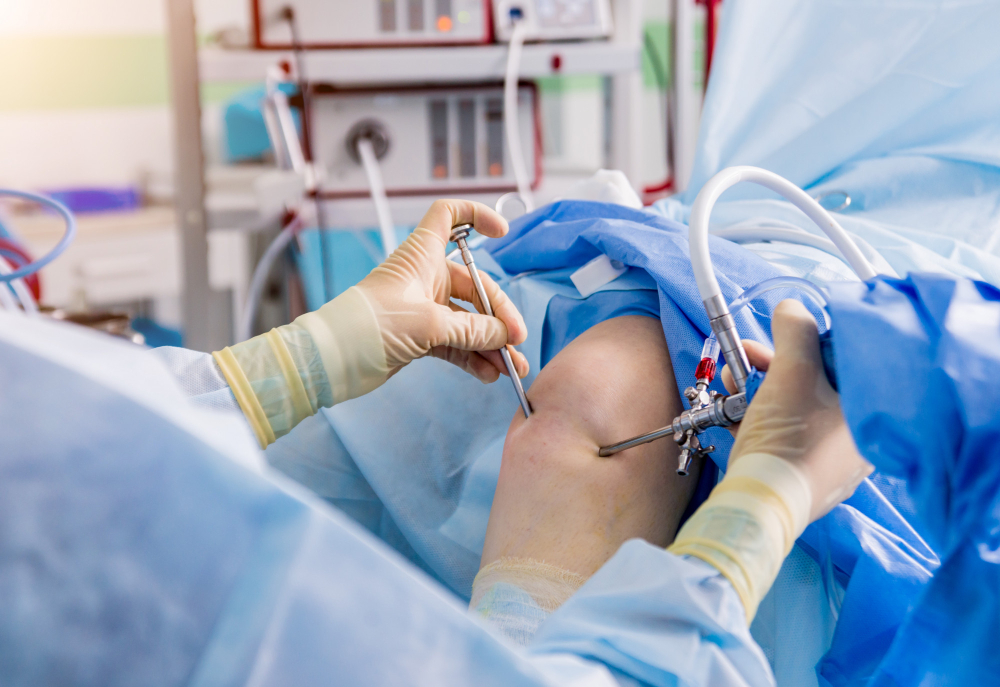
Knee arthroscopy is a minimally invasive knee surgery. Doctors use a small camera, called an arthroscope, to look inside your knee. Through tiny cuts, they can see and treat problems like torn cartilage or damaged ligaments. Because the cuts are small, recovery is often quicker than with open surgery. Many people choose knee arthroscopy to relieve pain and improve movement. However, it is important to know both the benefits and risks before deciding on this procedure.
Key Benefits of Knee Arthroscopy
Knee arthroscopy offers several advantages over traditional surgery. For example, it usually causes less pain and has a shorter recovery time. Here are some key benefits:
Additionally, this arthroscopic knee procedure often leads to better joint movement. According to the American Academy of Orthopaedic Surgeons, many patients see improved knee function after surgery.
Common Risks and Complications
Even though knee arthroscopy is safe for most people, every surgery has risks. You should know about possible problems before making a decision. Common risks include:
Sometimes, the knee may not heal as expected. In rare cases, you might need another surgery. According to the CDC, these risks are low, but it is important to discuss them with your doctor. For more details, you can also review information from trusted sources like the World Health Organization.
Who Should Consider Knee Arthroscopy?
Knee arthroscopy is not for everyone. Usually, doctors suggest it if you have knee pain that does not improve with rest, medicine, or physical therapy. Common reasons for this surgery include:
However, not all knee problems need surgery. Sometimes, other treatments work better. Therefore, always talk to an orthopedic specialist to see if knee arthroscopy is right for you.
Recovery and Aftercare Tips
After knee arthroscopy, recovery is usually quick. Most people can walk with help on the same day. To help your knee heal, follow these tips:
Moreover, always follow your doctor’s instructions for knee arthroscopy recovery. If you notice any unusual pain or swelling, contact your healthcare provider right away.
Prevention and Lifestyle Guidance
Even after a successful knee arthroscopy, you can take steps to protect your knee. For example, regular exercise helps keep your muscles strong. Here are some simple tips:
By following these steps, you may lower your risk of future knee injuries. In addition, healthy habits can support long-term joint health.
In summary, knee arthroscopy can help many people with knee pain. However, it is important to weigh the benefits and risks. Consult an orthopedic specialist at Ramkali Memorial Hospital to discuss if knee arthroscopy is right for you.