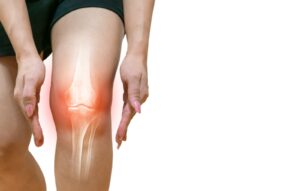
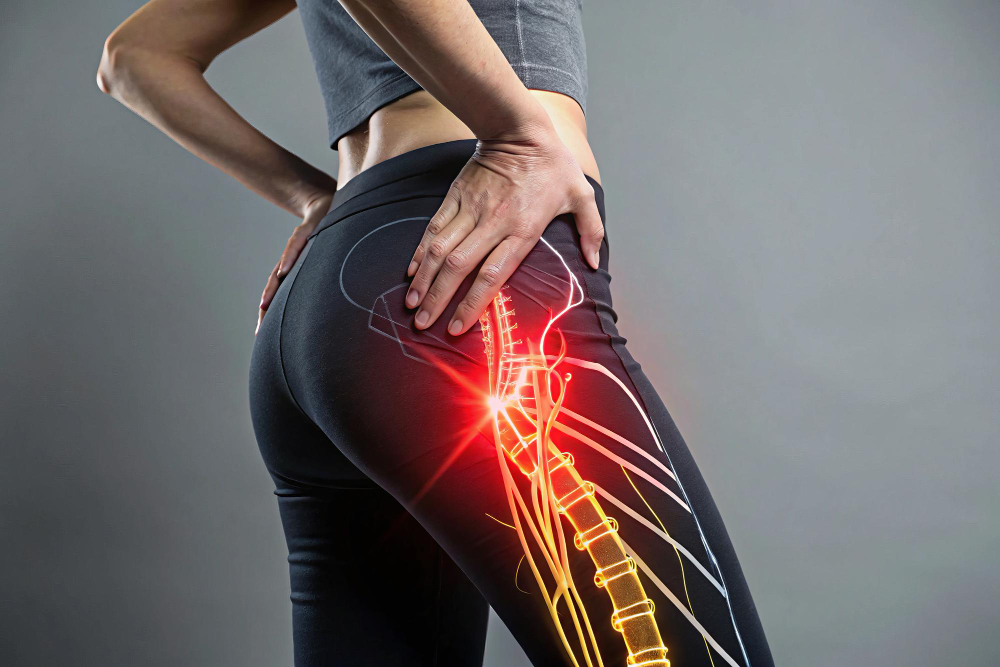
Sciatica is a common condition that causes pain along the sciatic nerve. This nerve runs from your lower back, through your hips, and down each leg. Many people experience sciatica at some point in their lives. Because it can affect daily activities, understanding sciatica is important. In this blog, you will learn about sciatica symptoms, causes, diagnosis, and treatment options. You will also find tips for sciatica pain relief and prevention.
What is Sciatica?
Sciatica refers to pain that travels along the path of the sciatic nerve. Usually, this pain starts in the lower back and moves down one leg. Sometimes, it can affect both legs. The pain can be mild or severe. Often, it gets worse when you sit, cough, or sneeze. Because the sciatic nerve is the longest in the body, sciatica pain can reach from your back to your toes.
Common Symptoms of Sciatica
Sciatica symptoms can vary from person to person. However, most people notice pain in the lower back or leg. In addition, you may feel:
Sometimes, the pain is constant. Other times, it comes and goes. Because symptoms can change, it is important to watch for any new signs.
Causes of Sciatica
Sciatica happens when something presses on or irritates the sciatic nerve. Most often, this is due to a herniated disc in the lower back. However, other causes include:
In rare cases, tumors or infections can also cause sciatica. Because there are many causes, proper diagnosis is important.
How Sciatica is Diagnosed
Doctors use several steps to diagnose sciatica. First, they ask about your symptoms and medical history. Next, they perform a physical exam. During the exam, you may be asked to walk or lift your leg. This helps the doctor find the source of pain. Sometimes, tests are needed, such as:
Because sciatica can look like other problems, these tests help confirm the diagnosis. According to the CDC, early diagnosis can improve treatment results.
Treatment Options for Sciatica
There are many ways to treat sciatica. Most people get better with simple treatments. However, some may need more help. Common treatment options include:
Because each person is different, your doctor will suggest the best plan for you. For many, sciatica pain relief comes with time and care.
Lifestyle Tips and Prevention
Although sciatica cannot always be prevented, healthy habits can lower your risk. For example, you can:
Because small changes can make a big difference, try to include these tips in your daily routine.
When to See a Doctor
Most cases of sciatica improve with home care. However, you should see a doctor if:
Because these signs may mean a serious problem, do not wait to get help. Early treatment can prevent lasting damage.
If you have sciatica symptoms, consult an orthopedic specialist at Ramkali Memorial Hospital for personalized advice on sciatica.