Introduction
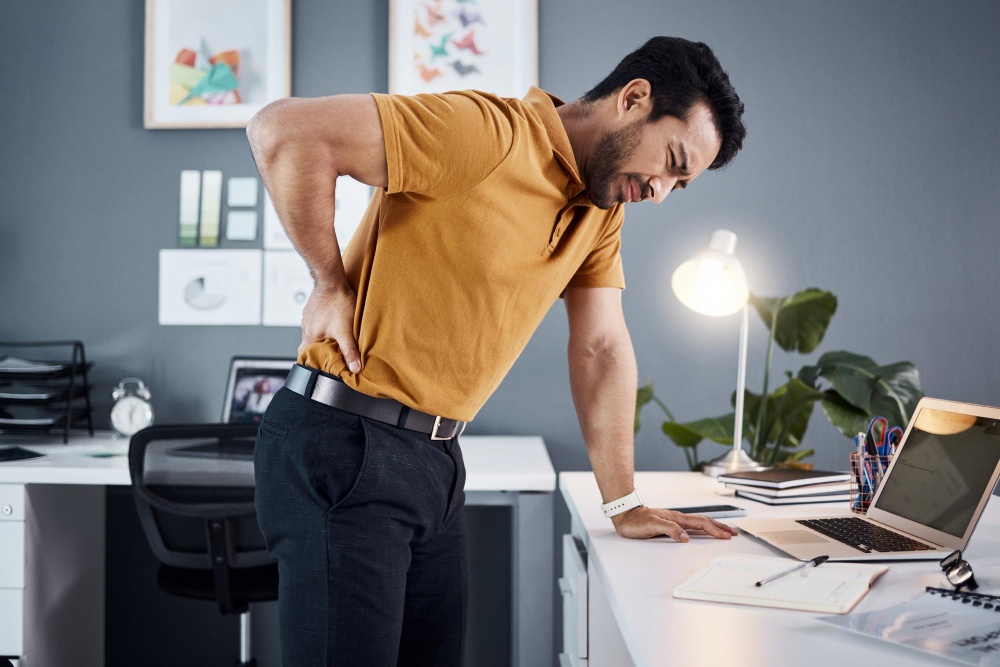
Lower back pain is a common problem for many people. Often, it can be caused by a slipped disc. A slipped disc, also called a herniated disc, happens when one of the soft discs between the bones in your spine moves out of place. Because of this, you may feel pain, numbness, or weakness. Lower back pain and slipped disc issues can affect your daily life. However, understanding the symptoms and treatment options can help you manage the condition better.
Common Symptoms
Slipped disc symptoms can vary from person to person. Sometimes, the pain is mild. Other times, it can be severe. For example, you may notice pain in your lower back that spreads to your legs. In addition, you might feel tingling or numbness. Here are some common signs:
Sometimes, symptoms improve with rest. But if the pain lasts, you may need medical help.
Causes and Risk Factors
There are several causes of lower back pain and slipped discs. Most often, the problem starts with wear and tear as you age. However, injuries or sudden movements can also cause a disc to slip. Some risk factors include:
Because of these factors, it is important to take care of your back every day.
Diagnosis Methods
If you have ongoing lower back pain, your doctor will start with a physical exam. They may ask about your symptoms and medical history. In many cases, simple tests can help find the cause. However, sometimes more tests are needed. Common diagnosis methods include:
With these tests, your doctor can find out if you have a slipped disc or another problem.
Treatment Options
Treatment for herniated disc and lower back pain depends on your symptoms. Many people get better with simple care at home. However, some may need medical or surgical help. Here are common options:
Medical Treatments
Surgical Treatments
Lifestyle Changes
Because each person is different, your doctor will suggest the best treatment for you.
Prevention Tips
Although not all back pain can be prevented, you can lower your risk. For example, you can:
With these steps, you can help prevent lower back pain and slipped disc problems.
When to See a Doctor
Sometimes, lower back pain goes away on its own. However, you should see a doctor if:
Early treatment can help prevent more serious problems. Therefore, do not wait if you have these symptoms.
Conclusion
Lower back pain and slipped disc can affect your daily life. However, with the right care, most people feel better. If you have ongoing pain or symptoms, consult an orthopedic specialist at Ramkali Memorial Hospital for personalized advice on lower back pain or slipped disc.