
Introduction
A tibia fracture means a break in the shinbone. The tibia is the larger bone in your lower leg. Because it supports much of your body weight, a tibia fracture is a serious injury. Often, this type of break needs quick medical care. If not treated, it can lead to long-term problems. For this reason, knowing the signs and treatment options is important for everyone.
Symptoms of Tibia Fracture
Recognizing tibia fracture symptoms early can help you get the right care. Usually, a broken tibia causes pain and swelling. However, other signs may also appear. For example, you might notice:
Sometimes, the symptoms can be mild, especially with small cracks. Even so, any pain after an injury should be checked by a doctor.
Common Causes and Risk Factors
Many things can cause a tibia fracture. Most often, it happens after a direct blow or fall. For instance, car accidents and sports injuries are common causes. In some cases, the bone breaks from repeated stress, called a stress fracture. Children and older adults may be at higher risk. Additionally, weak bones from osteoporosis can make fractures more likely. Other risk factors include:
Because risk factors vary, it is important to stay aware, especially if you are active or have weak bones.
Diagnosis Methods
Doctors use several ways to diagnose a tibia fracture. First, they will ask about your injury and symptoms. Next, they will check your leg for swelling, bruising, or deformity. Often, an X-ray is needed to see the break. In some cases, a CT scan or MRI may be used. These tests help doctors see small cracks or damage to nearby tissues. Early diagnosis is key for proper tibia fracture treatment and faster healing.
Treatment Options
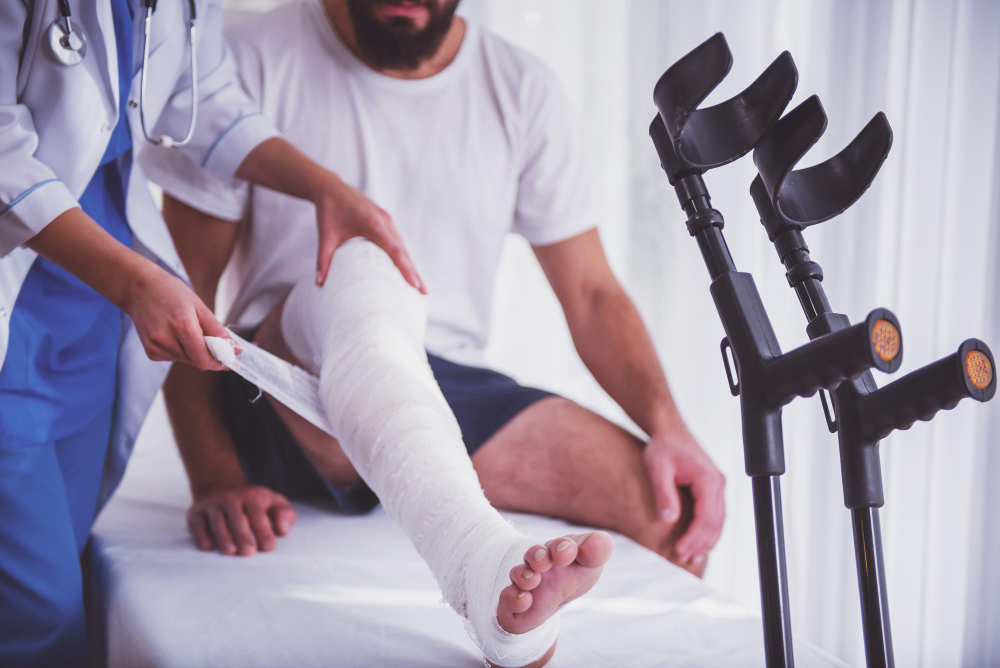
Tibia fracture treatment depends on the type and severity of the break. Sometimes, a simple fracture can heal with a cast or brace. However, more serious breaks may need surgery. Here are the main treatment options:
After treatment, regular check-ups help ensure the bone heals correctly. According to the CDC, most tibia fractures heal in three to six months, but this can vary.
Recovery and Rehabilitation Tips
Recovering from a broken tibia takes time and care. During this period, following your doctor’s advice is important. For example, you should:
With proper care, most people return to normal activities. However, full recovery may take several months. If you want to know how to recover from a broken tibia faster, ask your doctor about safe exercises and tips.
Prevention Strategies
Preventing a tibia fracture is possible with a few simple steps. For instance, you can:
Because accidents can happen anywhere, always stay alert. In areas with icy sidewalks or uneven ground, walk carefully to avoid falls.
When to Seek Medical Help
If you suspect a tibia fracture, seek medical help right away. Especially if you notice severe pain, swelling, or a visible bone, do not wait. Quick treatment can prevent further damage. Even if symptoms seem mild, it is better to get checked. Early care leads to better outcomes and faster healing.
In summary, a tibia fracture is a serious injury that needs prompt attention. If you have symptoms or concerns, consult an orthopedic specialist Dr. Niraj Raj at Ramkali Memorial Hospital Sitamarhi for personalized advice on tibia fracture care.